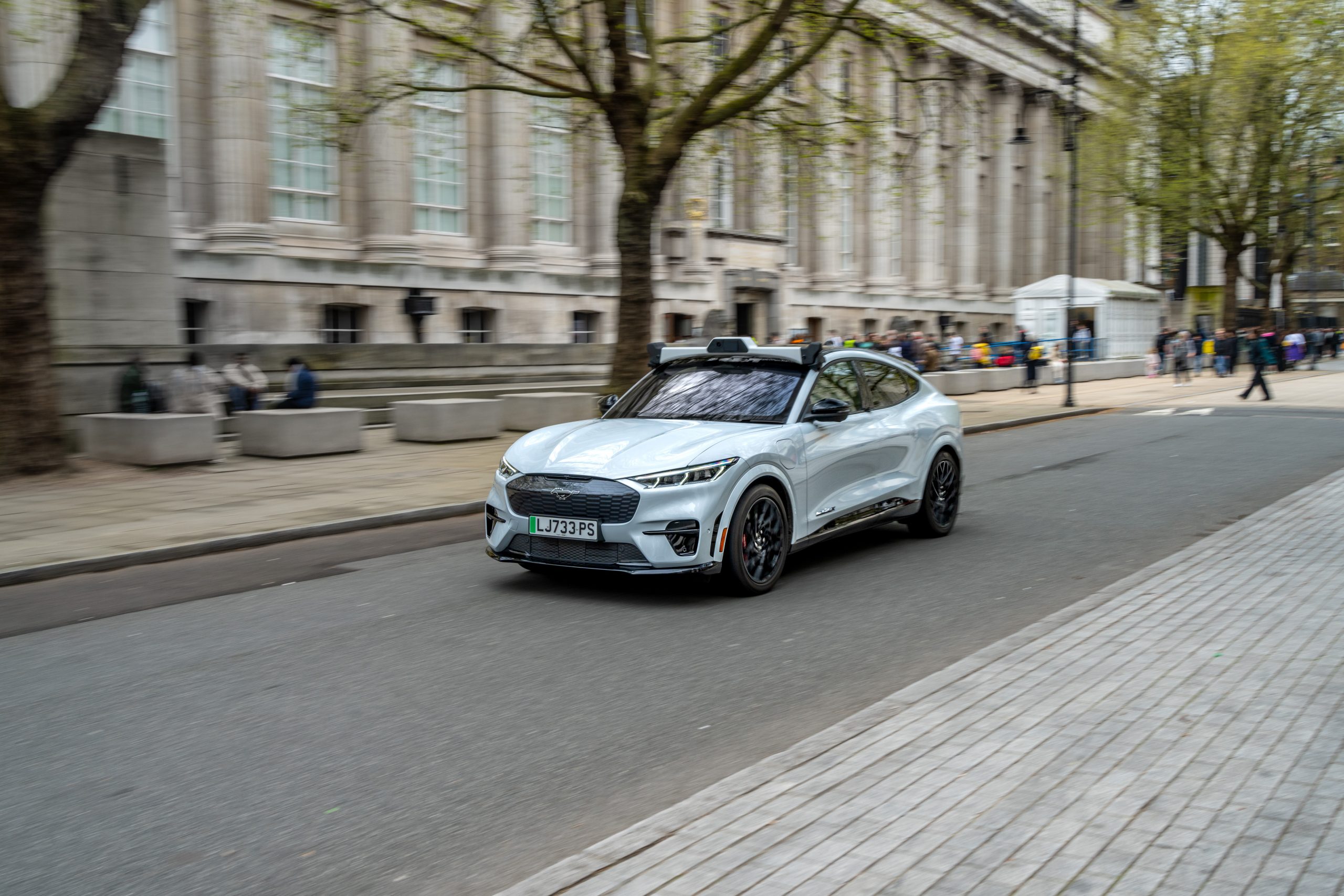
Waymo, Google’s autonomous vehicle division, appears to be setting its sights on the UK, with a recent surge in London-based job postings pointing to preparations for a potential robotaxi launch. The timing aligns with the UK government’s plans to begin allowing driverless car testing on public roads—without safety drivers—by spring 2026.
In June, UK officials outlined their roadmap for the introduction of autonomous vehicle services, aiming for small-scale commercial trials in 2026 and broader deployment in 2027. Uber quickly announced a collaboration with British self-driving startup Wayve to begin testing robotaxis in London.
Now, reports from The Telegraph suggest Waymo is moving in the same direction. The company has begun advertising multiple roles in London, including for a “Fleet Readiness Lead” and various engineering positions, though it hasn’t officially confirmed its UK ambitions. A Waymo spokesperson said only that the company is investing in the UK and has long planned global expansion.
Hiring Surge Hints at London Rollout
Waymo currently lists seven London-based roles on its website, including positions in fleet operations, machine learning, and simulation engineering. These listings suggest London could become a testing ground—or even a central hub—for Waymo’s international operations. A job posting for a simulation engineer specifically mentions plans to coordinate work between teams in Mountain View (California), Oxford, and London.
Although Waymo already has a presence in Oxford, this new round of hiring signals a possible expansion into the capital. Salaries for these roles range from £72,000 to £162,000, and the company is even looking for summer interns in machine learning—potentially aligning with the launch of pilot programs.
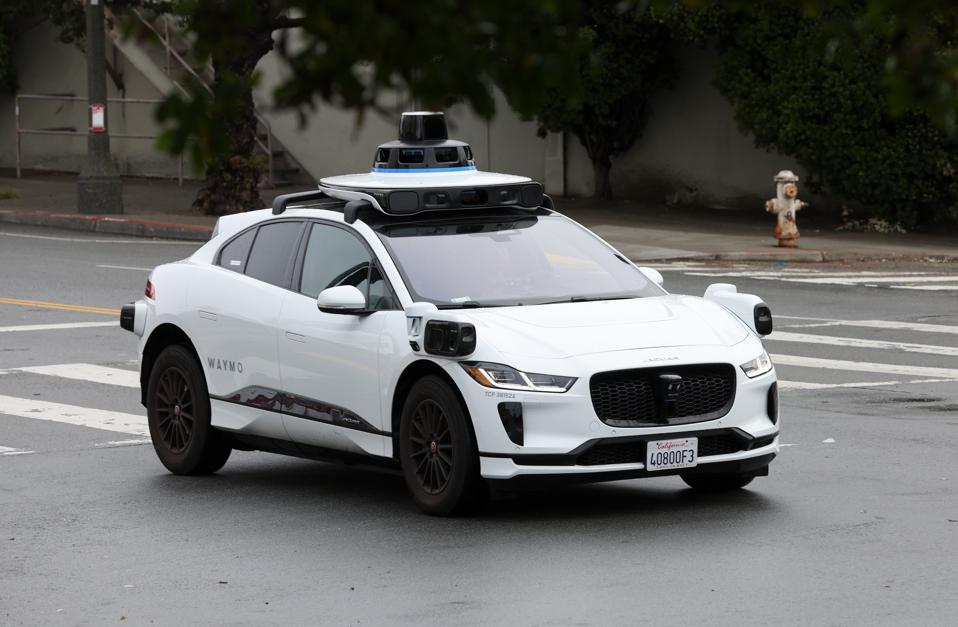
Can Waymo Navigate London’s Roads?
Launching robotaxi services in London will test the adaptability—or “generalisability”—of Waymo’s self-driving technology. Each new city introduces different traffic laws, road designs, and driving behavior. If Waymo’s systems require major adjustments for every new location, it could slow down and increase the cost of expansion.
So far, Waymo’s international experience is limited to a small trial in Tokyo. In the U.S., the company has gradually expanded to cities like Los Angeles, Austin, and San Francisco, including service to major airports.
Saswat Panigrahi, Waymo’s Chief Product Officer, recently said that their technology has been adapting well across different locations. “You don’t need to relearn driving when you go to a new city—you just reorient a bit. That’s true for our tech too,” he noted.
Is London Ready for Robotaxis?
Despite technological advancements, public and industry reactions remain mixed. A recent U.S. survey showed that nearly half of Americans are hesitant to use driverless taxis. And when Uber first launched in London, it faced major protests from taxi drivers.
However, not everyone is concerned. Steve McNamara, head of the Licensed Taxi Drivers’ Association, told The Guardian that autonomous taxis are far from a threat. “We’ll have flying taxis before driverless ones,” he quipped. “Come back in 2040.”
Waymo Joins a Growing List of UK AV Initiatives
Waymo is not alone. The UK is becoming a hotbed for autonomous vehicle trials. Tesla recently released footage of its “Full Self-Driving” software navigating London and Swindon. Chinese firm Baidu plans to trial its Apollo Go cars in both the UK and Germany in partnership with ride-hailing service Lyft.
Uber, in partnership with Cambridge-based Wayve, is preparing to deploy Level-4 autonomous vehicles in London, using Wayve’s AV2.0 system. Wayve claims its technology learns like a human driver, making it better suited to diverse driving environments. CEO Alex Kendall said their AI had successfully navigated streets in Tokyo, Milan, and Montana—all with the same model.
Meanwhile, British company Oxa is already running autonomous shuttle trials outside London.
Regulatory Framework Still in the Works
While companies are ready to begin trials, UK legislation is still catching up. The government is working to establish a clear legal and regulatory environment for autonomous passenger services, including robotaxis, private hire vehicles, and shuttle-style services.
Paul Miller, a principal analyst at Forrester, noted that laws need to clearly define liability in the event of accidents. “If there’s no driver, the responsibility becomes much less straightforward,” he said.
The UK government is currently holding a public consultation on automated passenger services, which will remain open until 28 September. The outcome of this consultation could shape how—and when—robotaxis become a reality on British roads.