The UK’s luxury retail sector has faced a significant challenge since the government abolished VAT-free shopping for international visitors in 2021. Andrea Baldo, CEO of British luxury brand Mulberry, is urging the UK government to reinstate this benefit, which has become a key advantage for other European destinations like France and Italy. The removal of VAT rebates has led to a marked decline in tourist spending in the UK, especially in London, affecting both the luxury market and broader tourism revenues.
As one of the leading figures in the UK luxury fashion industry, Baldo highlights the unfair competitive edge that countries like France and Italy currently hold over the UK. He argues that these nations, by offering VAT-free shopping to international visitors, continue to draw wealthy tourists, putting the UK at a disadvantage. This has become particularly evident in comparison with other European countries, where spending by international tourists has risen significantly in recent years.
How VAT-Free Shopping Could Revitalize the UK Economy
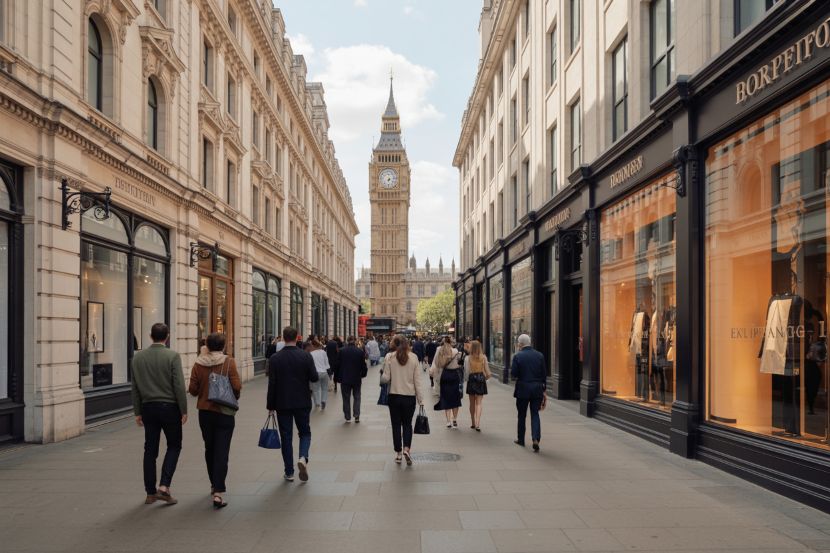
Since the UK ended the VAT rebate program for overseas visitors, tourism spending has stagnated. Recent data from Global Blue shows that spending by non-EU visitors in the UK is still 25% lower than pre-pandemic levels. In stark contrast, countries such as Spain have seen a 166% increase in spending, and France has experienced a 159% surge in the same period. The impact of this decline has been especially felt in central shopping districts like London’s Regent Street, where Mulberry and other retailers have seen a decrease in international footfall.
Mulberry estimates a loss of nearly £10 million in UK sales since the scrapping of VAT-free shopping. The company’s stores in other cities such as Dublin and Amsterdam have nearly doubled their business from international visitors, further illustrating the shift in tourist spending patterns.
Reinstating VAT-free shopping would not only benefit luxury brands like Mulberry but would also have a positive ripple effect across UK tourism, retail, and hospitality sectors. According to Baldo, international tourists spending more on high-end fashion, dining, and entertainment would stimulate broader economic activity, potentially boosting the UK’s post-pandemic recovery.
Supporting UK Manufacturing and Creating Jobs
For Mulberry, which produces much of its high-end leather goods in the UK, the benefits of VAT-free shopping extend beyond the retail environment. Baldo suggests that reintroducing VAT-free shopping could lead to greater demand for Mulberry’s products, which are produced at the brand’s Somerset manufacturing sites. A surge in sales from international tourists could directly support UK manufacturing jobs and lead to higher output levels at local production facilities.
Given that Mulberry has already raised £20 million in funding this year, the brand is poised to expand in the UK, with plans to open new stores in cities like Birmingham and Liverpool. This expansion could further solidify its presence in the domestic market, in addition to increasing international consumer engagement.
A Political Debate and Potential Challenges
Reintroducing VAT-free shopping is not without its challenges, especially as politicians consider the potential cost to the government’s revenue. However, Baldo argues that the move is a matter of fairness and international competition rather than a special privilege for tourists. With European countries already offering VAT-free shopping, the UK is at a distinct disadvantage when competing for wealthy international shoppers.
The move could provide a much-needed boost to a range of sectors that rely on international tourism. From luxury retailers and restaurants to hotels and tourist attractions, many businesses across the UK would likely benefit from an increase in overseas visitor numbers. This, in turn, would support economic recovery following the pandemic’s disruption.
While the issue is politically sensitive, particularly with respect to the broader economic climate, Baldo emphasizes the potential long-term benefits for the UK’s economy. He likens the reintroduction of VAT-free shopping to “the gift under the Christmas tree” that the UK’s luxury, retail, and hospitality sectors need to thrive once again.
Tips for Travelers: Make the Most of VAT-Free Shopping
For international tourists planning a visit to the UK, here are some tips to make the most of VAT-free shopping (once the program is reinstated):
- Check eligibility: Make sure to bring your passport or proof of residence outside the UK to qualify for VAT refunds.
- Shop in participating stores: Look for stores that offer VAT-free shopping; many high-end fashion and luxury retailers in cities like London, Manchester, and Edinburgh participate in the scheme.
- Plan ahead: Leave enough time at the airport for processing your VAT refund claim before departure.
- Explore British-made goods: Take advantage of the opportunity to purchase quality, locally made items, like Mulberry’s iconic leather bags, which are crafted in the UK.
Why This Matters for the UK’s Tourism and Luxury Industry
Reintroducing VAT-free shopping would be a strategic move to level the playing field for the UK’s retail sector and give a much-needed lift to its tourism industry. London, Manchester, and other major cities rely on international visitors to maintain the vibrancy of their shopping districts and cultural scenes. By making it easier for tourists to shop in the UK without the added tax burden, the country could reignite its luxury retail sector and remain a top destination for affluent travelers.